Hail & Storm Damage to Your Home? Here’s What to Do Next
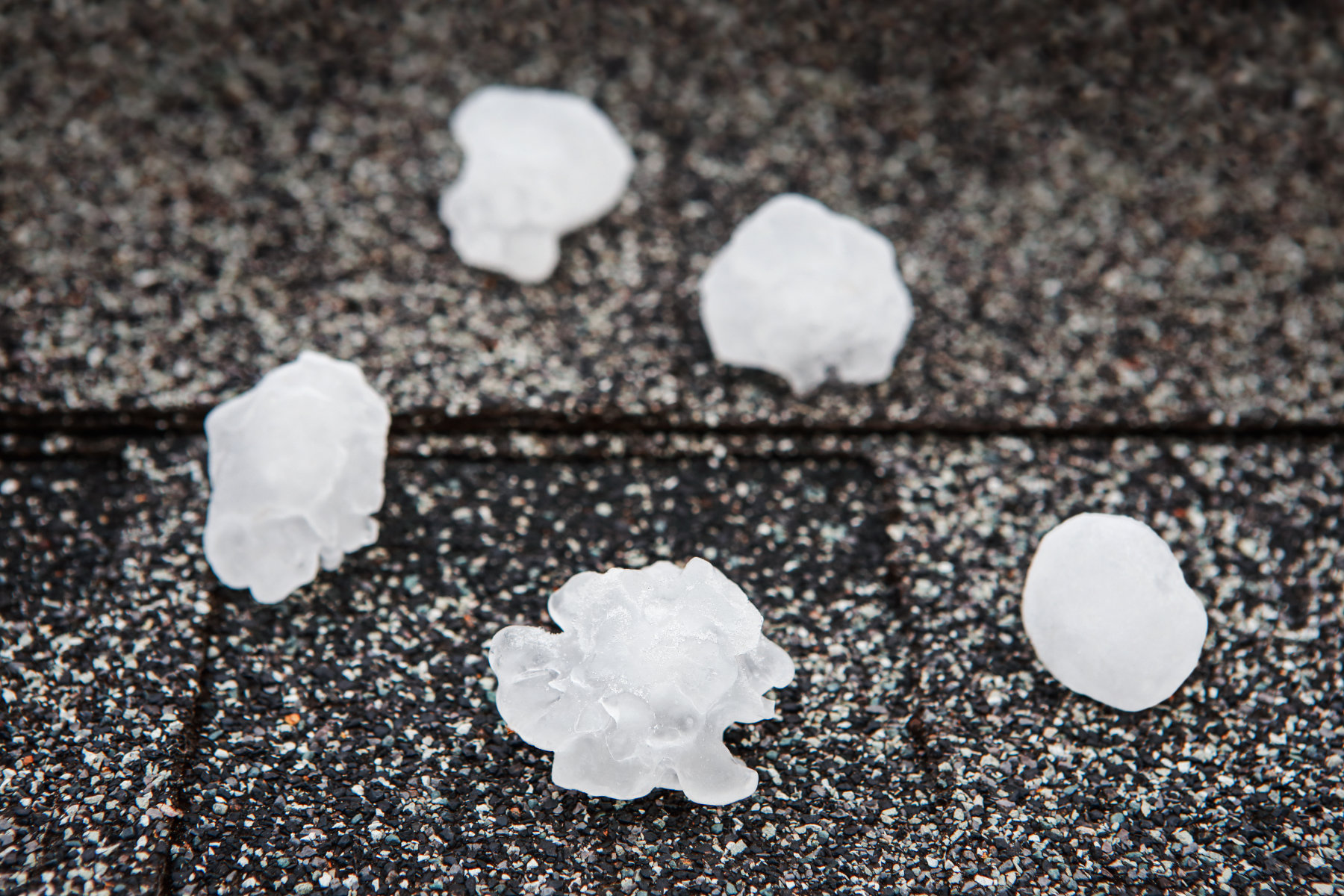
Severe hailstorms and windstorms can leave homeowners feeling overwhelmed and uncertain about what to do next. Whether you’ve noticed a leak, dents on your siding, damaged shingles, or simply suspect your home may have been affected, taking the right steps early can help protect your property and make the restoration process much smoother.
At Above All Roofing & Exteriors, we’ve helped thousands of Manitoba homeowners recover from storm damage. Here’s our recommended process for protecting your home, documenting damage, and navigating the insurance claims process.
Table of Contents
- Start with Three Important Questions
- Step 1: Document the Damage
- Step 2: Prevent Further Damage
- Step 3: Contact Your Insurance Company
- Step 4: Schedule a Professional Inspection
- Step 5: Review Your Insurance Estimate
- Step 6: Address Any Missing or Underscoped Items
- Step 7: Complete Your Repairs
- FAQ
- Storm Damage Documentation Checklist
Start with Three Important Questions
- Do You Have an Active Leak?
If water is entering your home, immediate action is required to prevent additional damage to insulation, drywall, ceilings, flooring, and personal belongings.
- How Significant Is the Damage?
Is the damage isolated to one area, or are multiple areas of your home affected? Storm damage can impact:
- Roofing
- Gutters and downspouts
- Siding
- Soffit and fascia
- Windows and screens
- Air conditioning units
- Garages, sheds, and fences
- Do You Plan to Make an Insurance Claim?
This is an important consideration before permanent repairs are completed.
If you intend to make an insurance claim, it is often beneficial to document the damage thoroughly and allow insurance representatives the opportunity to inspect the original damage before permanent repairs are completed.
If you do not plan to make an insurance claim, we can help you develop a repair plan and proceed directly with restoration work.
Step 1: Document the Damage
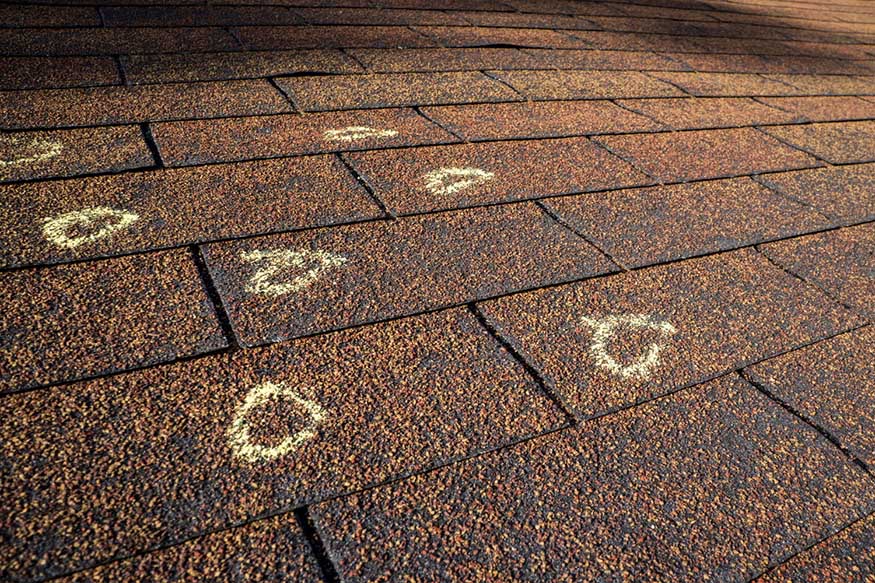
Before any repairs are completed, take photographs and videos of all visible damage.
What Should You Photograph?
- Roof surfaces (from the ground whenever possible)
- Gutters and downspouts
- Fascia and soffits
- Siding and exterior finishes
- Windows and screens
- Air conditioning units
- Fences, sheds, garages, and other structures
- Interior water stains or active leaks
Capture both wide-angle photos and close-up images whenever possible. The more documentation available, the easier it becomes to evaluate the full scope of damage.
Step 2: Prevent Further Damage
Most insurance policies require homeowners to take reasonable steps to prevent additional damage after a storm event.
Temporary protection measures may include:
- Placing buckets under active leaks
- Installing temporary repairs on damaged roof areas
- Covering broken windows or exposed openings
- Removing items from areas vulnerable to water damage
Keep all receipts related to emergency repairs and temporary protection measures, as these expenses may be reimbursable through your insurance policy.
Need Temporary Repairs?
Above All can assist with emergency storm damage mitigation and temporary repairs.
When storm damage occurs, our first priority is helping ensure your home remains weather-tight and protected while the insurance and restoration process moves forward.
You can request assistance through our Damage & Repair service at:
https://www.aboveall.net/damage-repair
Temporary Repair & Inspection Costs
Typical costs may include:
- Professional Roof Inspection Report: $250
- Temporary Repairs: Typically $250–$450 depending on scope and complexity
Step 3: Contact Your Insurance Company
If you plan to file a claim, contact your insurance provider as soon as possible.
When reporting damage, be prepared to provide:
- Date of loss
- Description of the damage
- Your contact information
Be sure to request:
- Claim number
- Adjuster’s contact information
- Expected inspection timeline
Having this information early helps streamline communication throughout the claim process.
Step 4: Schedule a Professional Inspection
Many homeowners assume the insurance inspection will identify all storm-related damage. However, some damage can be difficult to detect without a thorough roofing and exterior inspection.
Above All offers professional storm damage assessments and HAAG Certified hail damage inspections.
Our inspections can help identify:
- Hail damage to roofing materials
- Wind damage
- Siding impacts
- Gutter and metal damage
- Components requiring replacement under current building standards
We provide detailed documentation that can help support your claim and ensure all damage is properly identified.
Step 5: Review Your Insurance Estimate
After your insurance company completes its inspection, you will typically receive a report outlining approved repairs and estimated costs.
We recommend reviewing this documentation carefully.
Our team can compare the insurance estimate with actual site conditions to help identify:
- Missing items
- Incorrect measurements
- Underestimated quantities
- Incomplete scopes of work
- Building code considerations
This review helps ensure the approved repairs accurately reflect the damage to your home.
Step 6: Address Any Missing or Underscoped Items
Occasionally, additional damage is discovered after the initial inspection or repair scope is prepared.
When this occurs, additional supporting documentation can be submitted to the insurance company for review.
This process is commonly known as a supplement and may include:
- Additional photographs
- Site measurements
- Building code requirements
- Manufacturer specifications
- Product availability considerations
Our team regularly assists homeowners with this process and can provide supporting documentation when required.
Step 7: Complete Your Repairs
Once the repair scope has been approved, the restoration process can begin.
Before work starts, you should receive:
- A detailed scope of work
- Project schedule
- Estimated completion timeline
- Payment information
Our goal is to make the repair process straightforward, transparent, and as stress-free as possible. If you would like to work with Above All, request that we are your preferred contractor to help restore your property.
Frequently Asked Questions
How Do I Know If My Roof Has Hail Damage?
Not all hail damage is visible from the ground. Signs may include:
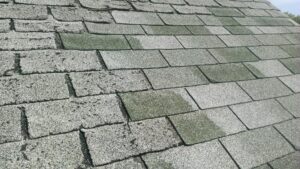
- Missing granules on shingles
- Bruised or fractured shingles
- Dents on vents, flashing, and metal surfaces
- Damaged gutters or downspouts
- Water infiltration after a storm
A professional inspection is often the safest and most reliable way to determine whether hail damage exists.
Should I Call My Insurance Company First or a Contractor First?
If there is no emergency, many homeowners choose to have a professional inspection completed first to better understand the extent of damage before initiating a claim.
If there is active leaking or significant damage, temporary repairs should be addressed immediately to prevent further deterioration.
Can I Repair the Damage Before the Insurance Adjuster Arrives?
Temporary repairs to prevent additional damage are generally encouraged.
However, permanent repairs may make it more difficult for an adjuster to inspect the original damage condition. If you intend to file a claim, it is often beneficial to document the damage thoroughly and discuss next steps before permanent repairs are completed.
How Long Do I Have to File a Storm Damage Claim?
Policy requirements vary between insurance providers. Contact your insurer as soon as possible after discovering storm damage to understand your coverage and reporting deadlines.
Will My Insurance Cover Temporary Repairs?
Many insurance policies provide coverage for reasonable emergency measures taken to prevent additional damage. Keep receipts and document all temporary repair work.
What Happens If Additional Damage Is Found Later?
Additional damage can often be documented and submitted to the insurance company for review.
Storm Damage Documentation Checklist
Before meeting with your insurance adjuster, document the following if it is safe to do so:
✓ Roof damage, missing shingles, dents, or exposed areas
✓ Gutters and downspouts with dents or impact marks
✓ Siding, fascia, and soffits with cracks or visible damage
✓ Windows, screens, and frames
✓ Air conditioning units and mechanical equipment
✓ Fences, sheds, garages, and outbuildings
✓ Vehicles or personal property affected by hail
✓ Interior water stains, leaks, or ceiling damage
Need Help After a Storm?
If your home has experienced hail, wind, or storm damage, Above All Roofing & Exteriors can help.
From emergency temporary repairs and professional inspections to insurance claim support and full restoration services, our team is here to guide you through every step of the process.
Contact us today to schedule an inspection and protect your home from further damage.